urban landscapes I traces of US military forces on the former Nazi Party Rally Grounds (1945-1992)
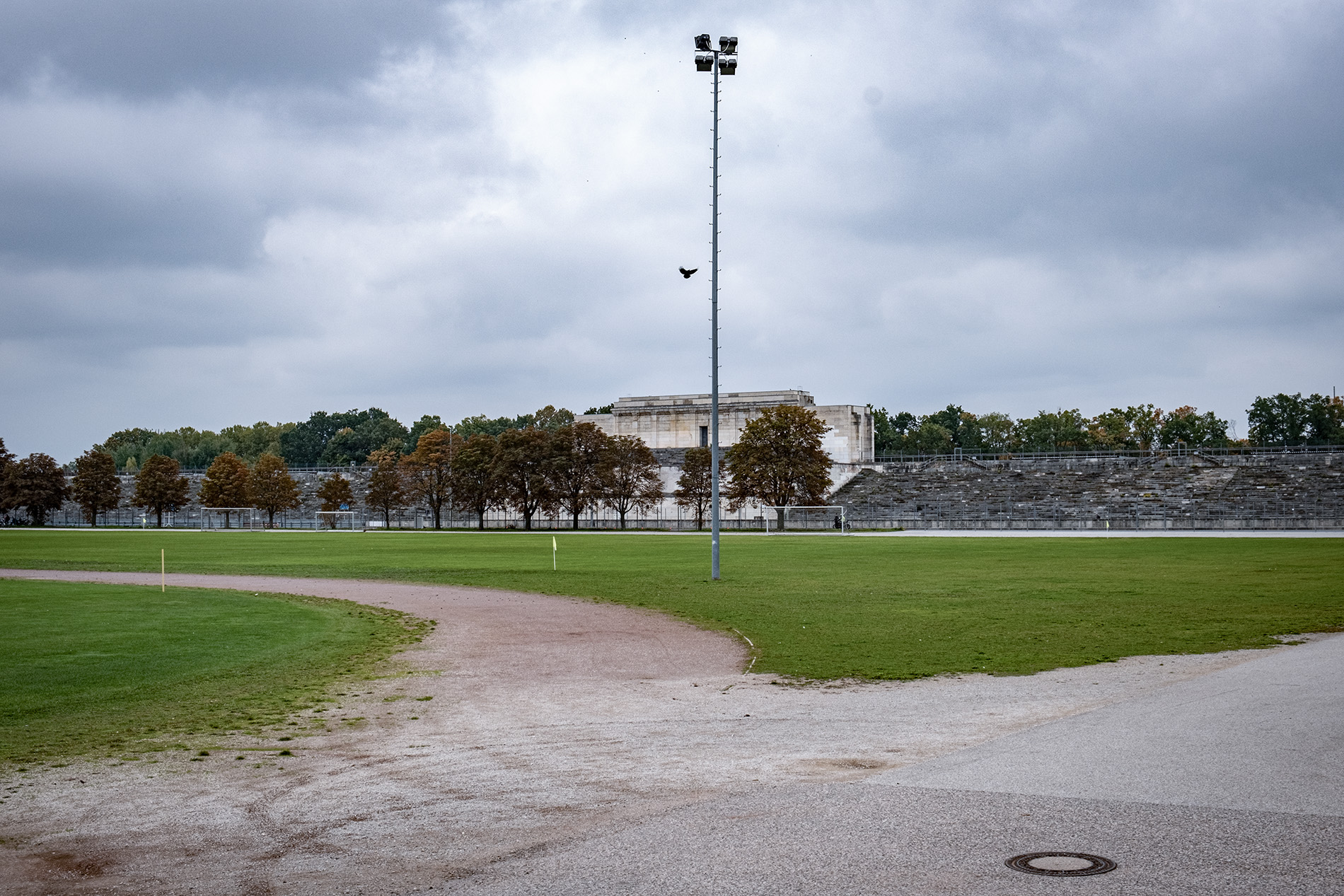
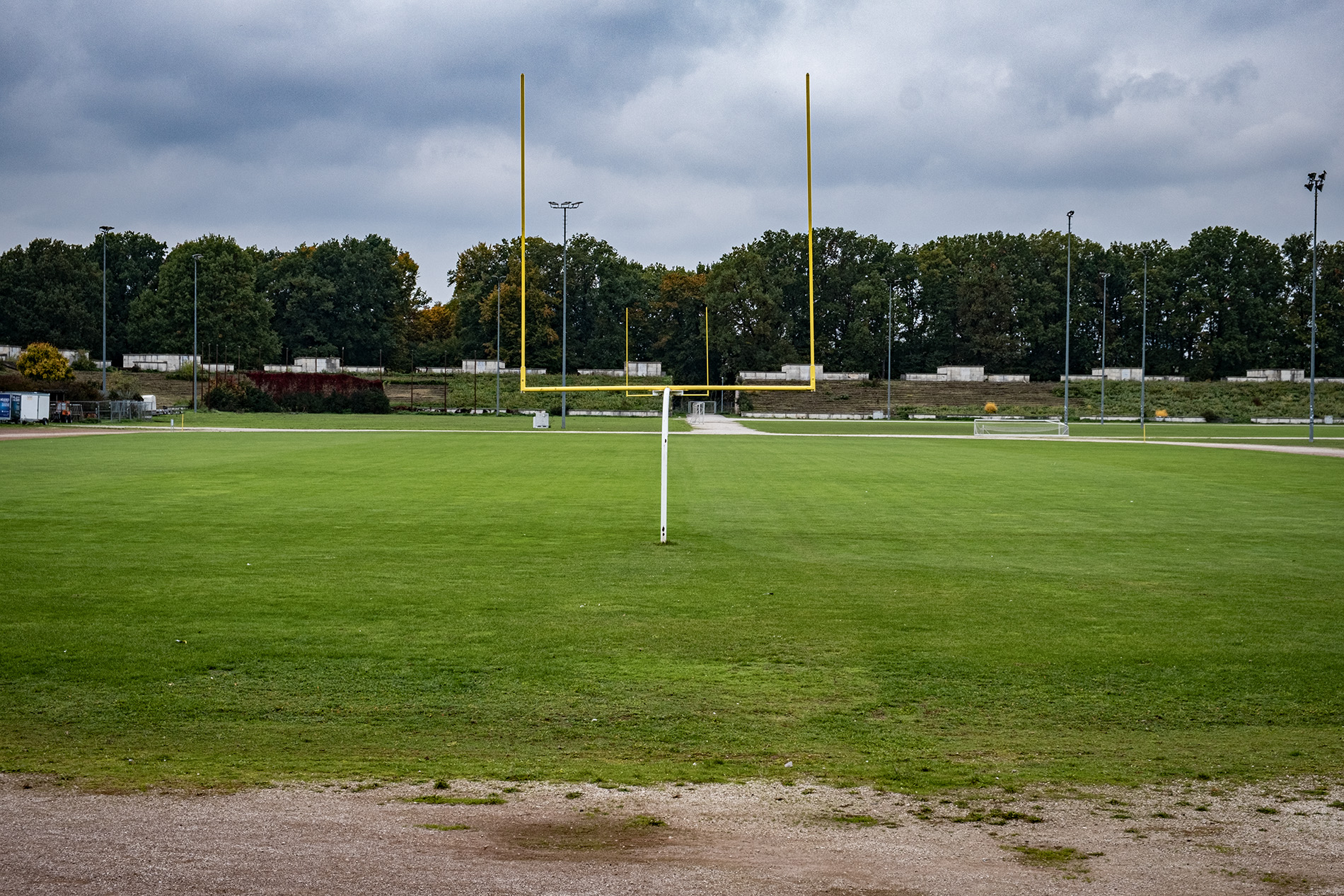
The former Nazi Party Rally Grounds in Nuremberg are currently a place of pragmatic use, commercialisation, leisure and sports activities, educational opportunities and artistic debate. And it is also „a site of non-simultaneity“(Reichel 1999, p. 41). On almost the entire site in 2023, „the overlapping of meanings (…) is no longer synchronous, but rather diachronic.“(Capdevila-Werning 2015, p- 209) Traces of the democratic second history of the site after 1945 interact with traces of the National Socialist use of the site before 1945, with traces of a dictatorial regime that staged and celebrated an exclusive Nazi national community with a leader cult based on the history of salvation and imperial aspirations.
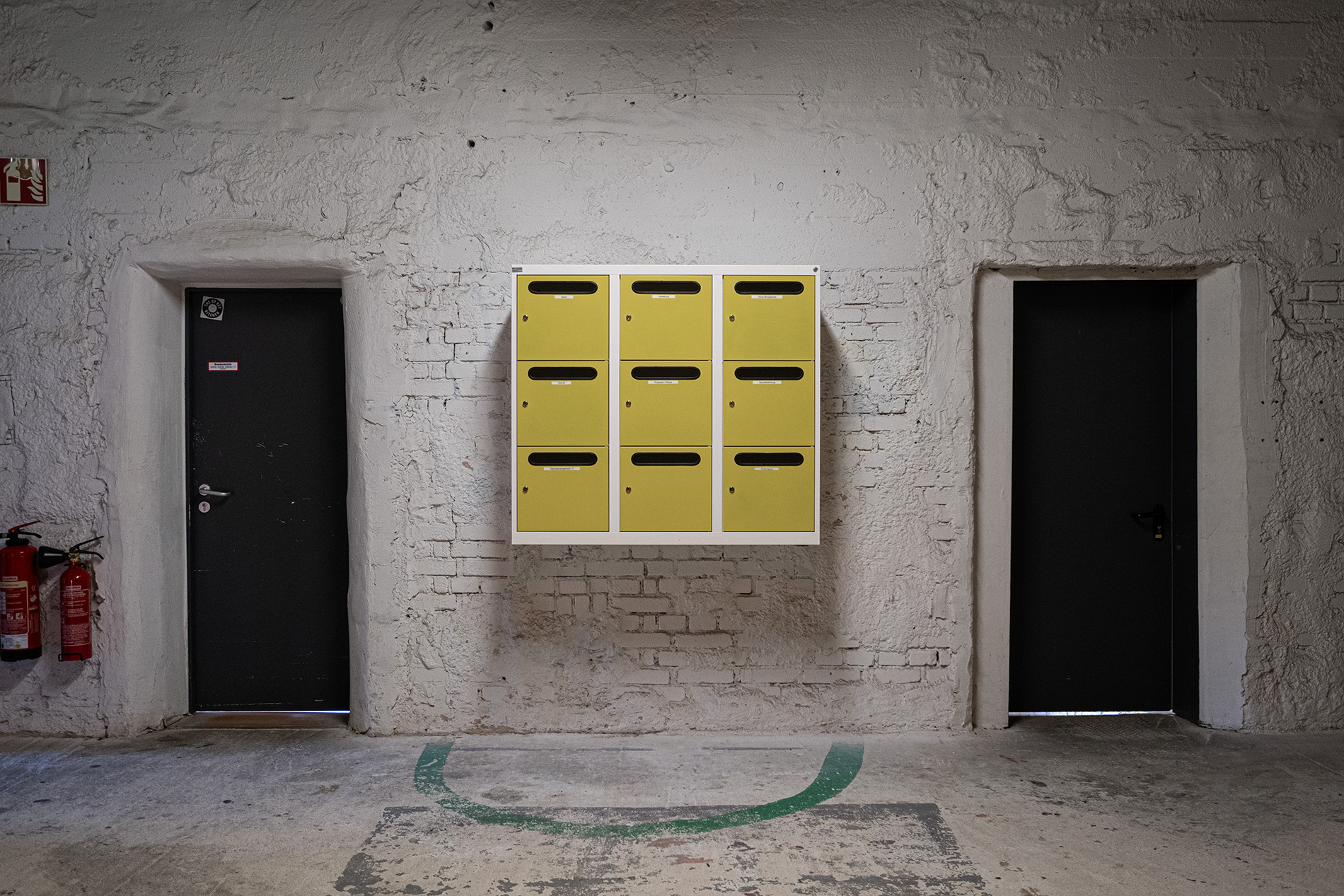
Basketball court painted on the floor from the time when the planned SS casino was used as a US office building
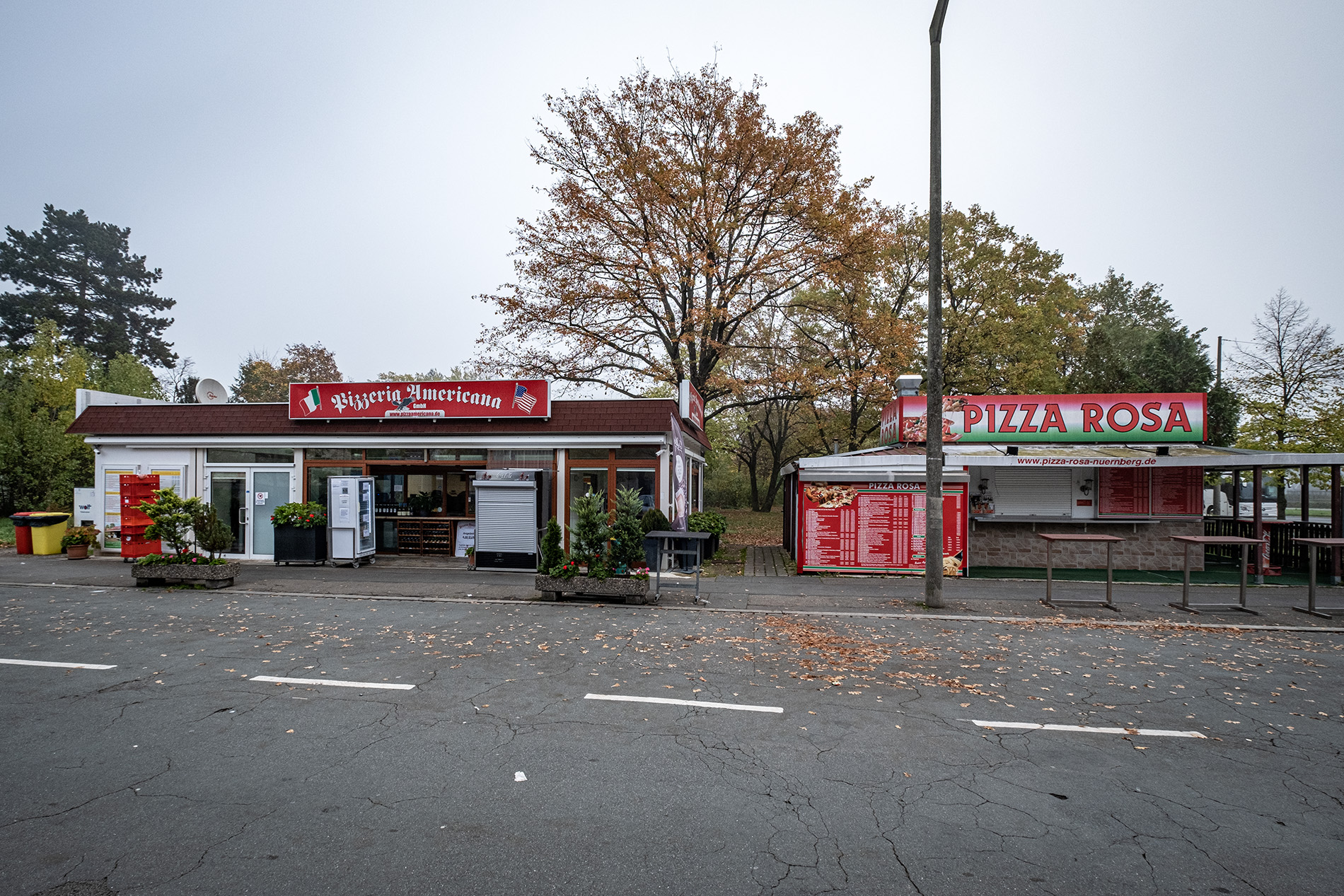
Pizzeria Americana – founded when the former SS military barracks were used as US troops base
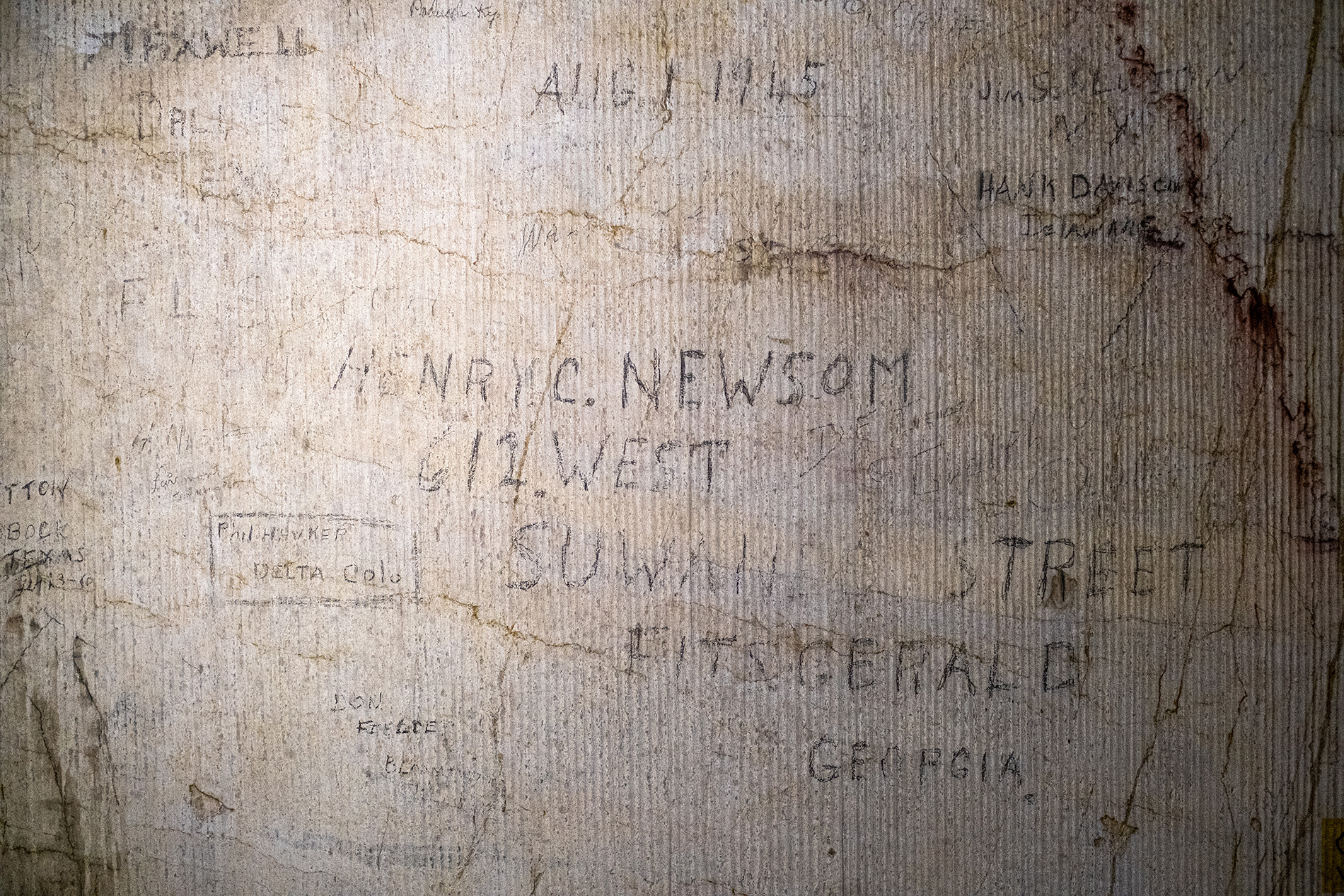
Graffiti in the Zeppelin Grandstand with addresses of US soldiers after the conquest of the city
Book
Im Sinne eines material turn stellt der Band anhand mehrerer konkreter Fallbeispiele einen multiperspektivischen Blick auf unterschiedliche Schichtungen der komplexen Geschichte des ehemaligen Reichsparteitagsgeländes zur Diskussion. So wird die Dynamik historischer Prozesse in der Auseinandersetzung mit der Materialität und dem Wandel der baulichen Relikte nachvollziehbar.
Erstmals bildet in diesem Kontext die zweite Geschichte des früheren Nürnberger Reichsparteitagsgeländes (ab 1945) – anschaulich illustriert und nach erinnerungskulturellen Kriterien erforscht – den Mittelpunkt einer umfangreichen Publikation: Dabei werden an den Gebäuden und in der Fläche sichtbare Spuren von jahrzehntelangen Aneignungen, Umnutzungen oder Tilgungen in Bezug gesetzt zur ursprünglichen Funktion und Nutzung des Geländes durch das NS-Regime.
In the sense of a material turn, the volume presents a multi-perspective view of different layers of the complex history of the former Nazi Party Rally Grounds for discussion using several specific case studies. In this way, the dynamics of historical processes in the examination of the materiality and the transformation of the architectural relics become comprehensible.
For the first time in this context, the second history of the former Nuremberg Nazi Party Rally Grounds (from 1945) – vividly illustrated and researched according to criteria of the culture of remembrance – forms the focus of a comprehensive publication: visible traces of decades of appropriation, conversion or eradication on the buildings and in the area are placed in relation to the original function and use of the site by the Nazi regime.
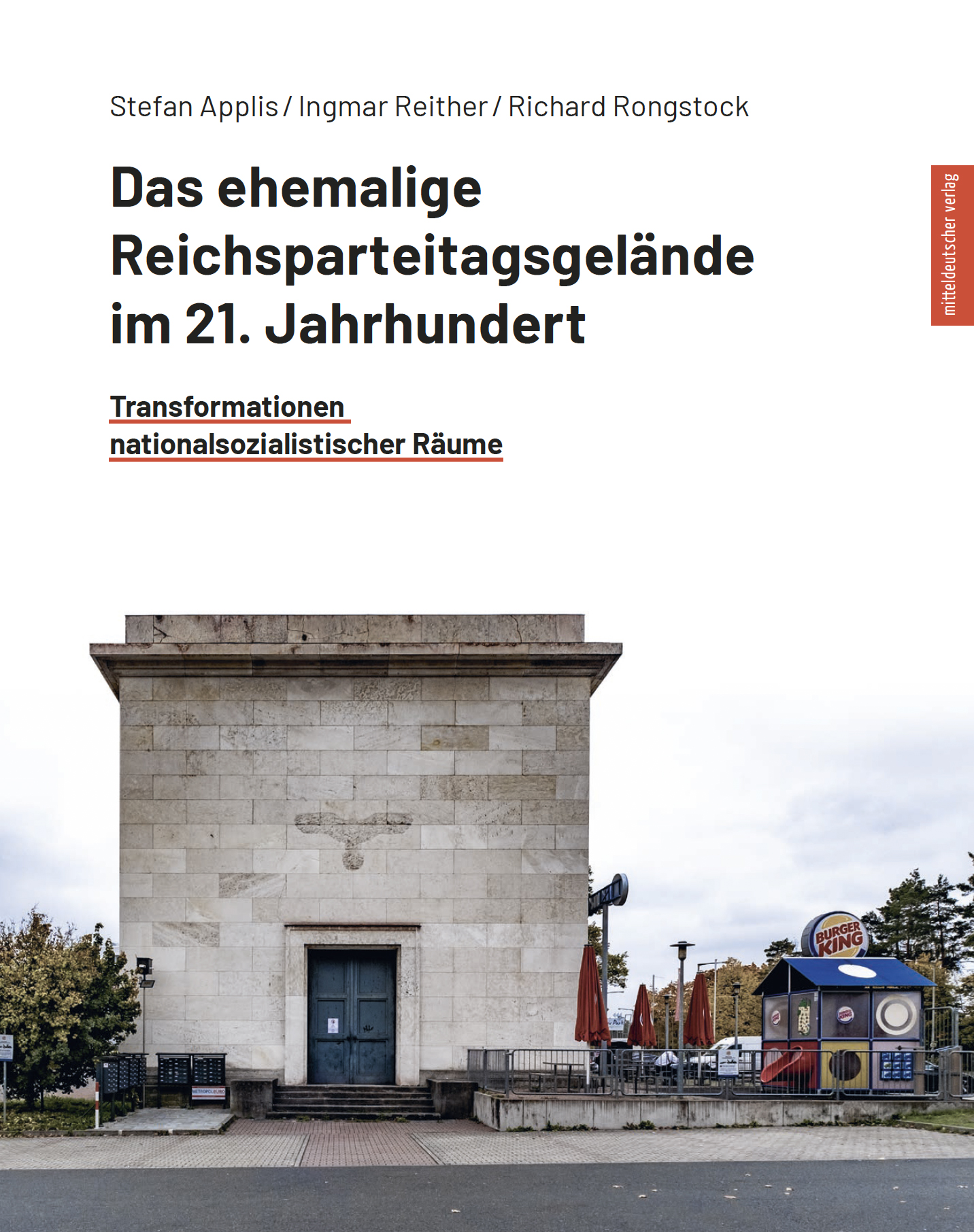
Multiple uses in sections of the former Nazi Party Rally Grounds
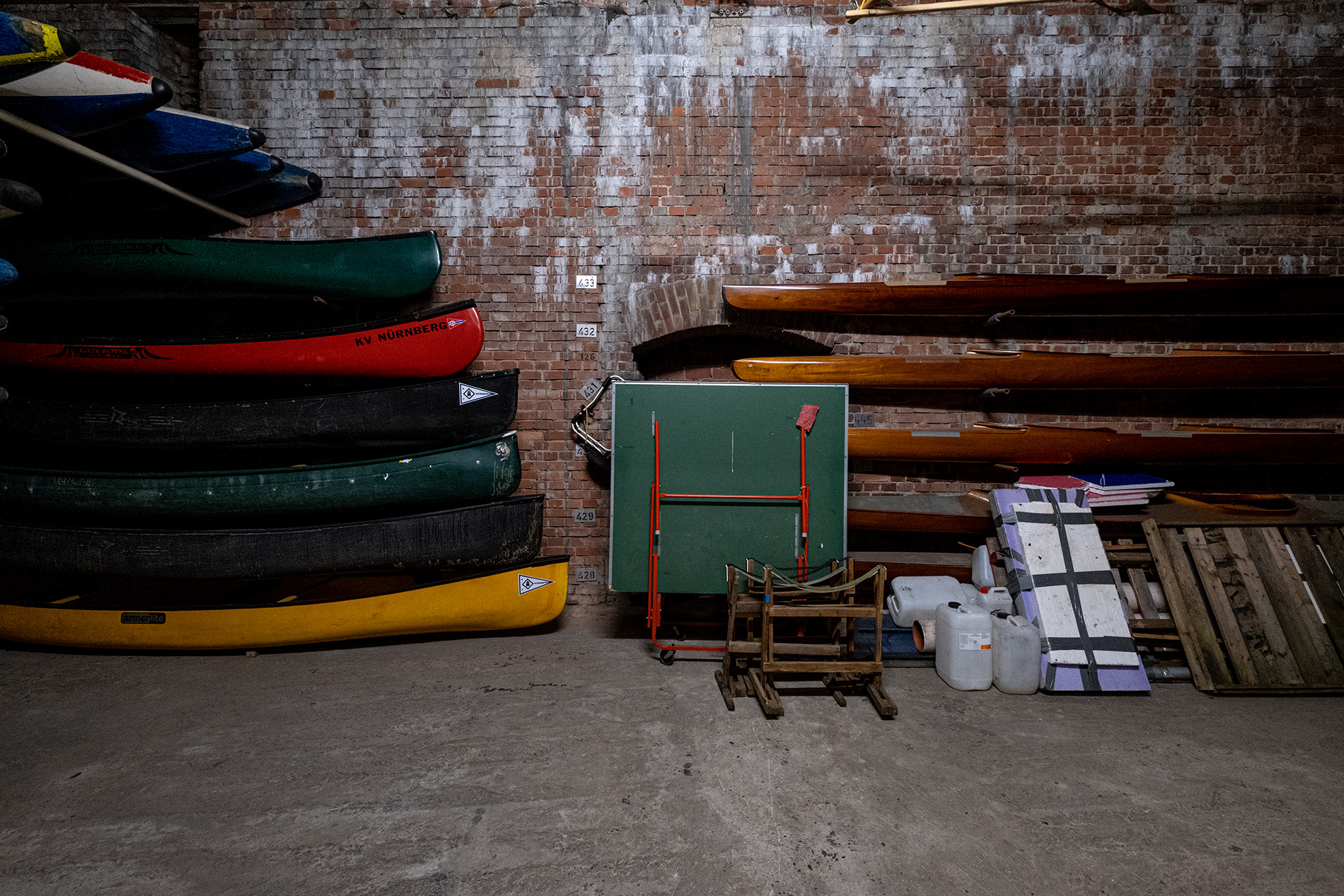
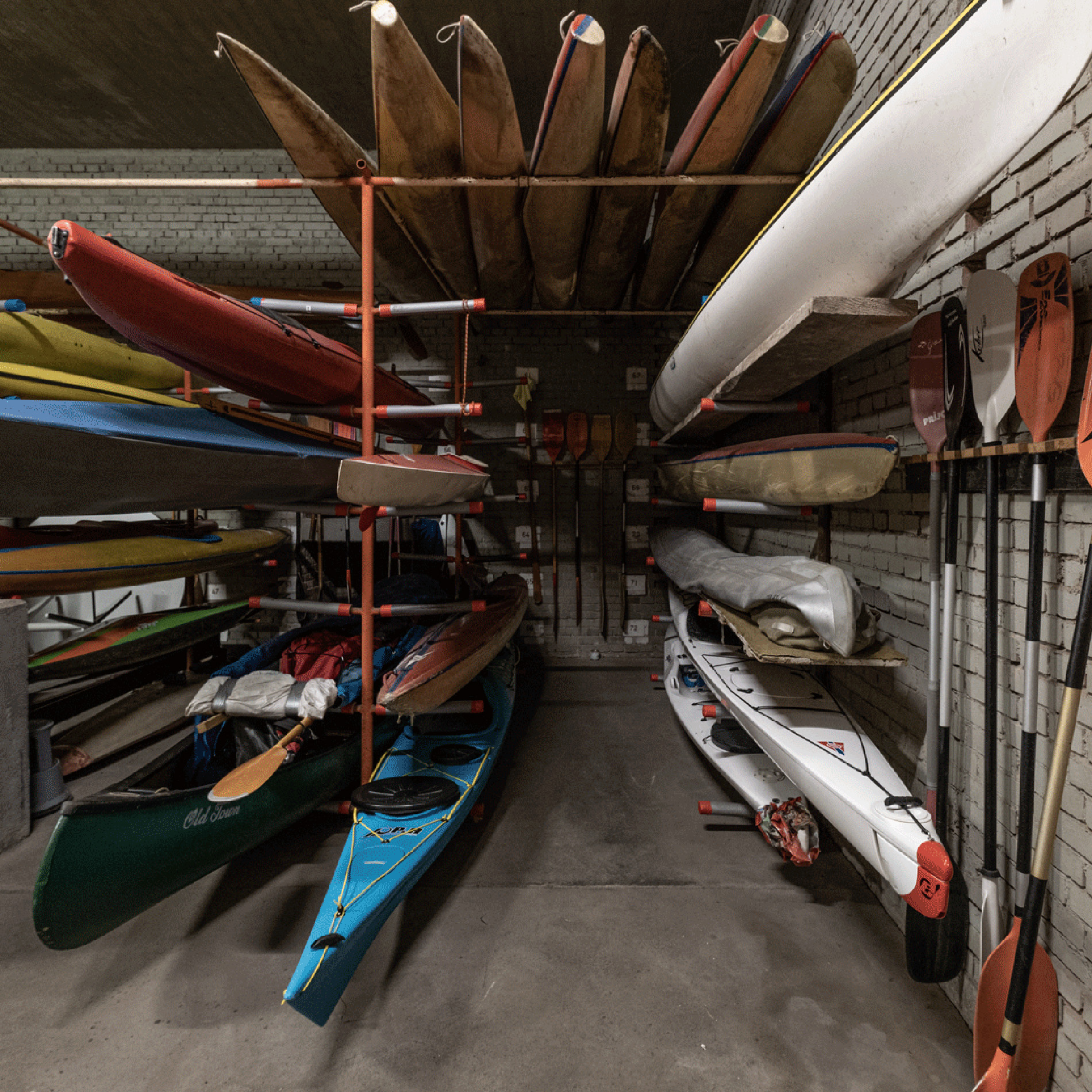
A section of the unfinished Congress Hall on the former Nazi Party Rally Grounds in Nuremberg is currently being used by a private organisation, the Nuremberg Canoe Club, which was founded in 1922. Various towers of the Zeppelin parade grounds had been made available to the club since 1960. Then, from 1964, the rooms, corridors and shafts of the south-eastern head building were converted into a ‘boathouse’, just a few metres from Nuremberg’s Dutzendteich pond.
The history of the camps on the site – the blind spot for a long time
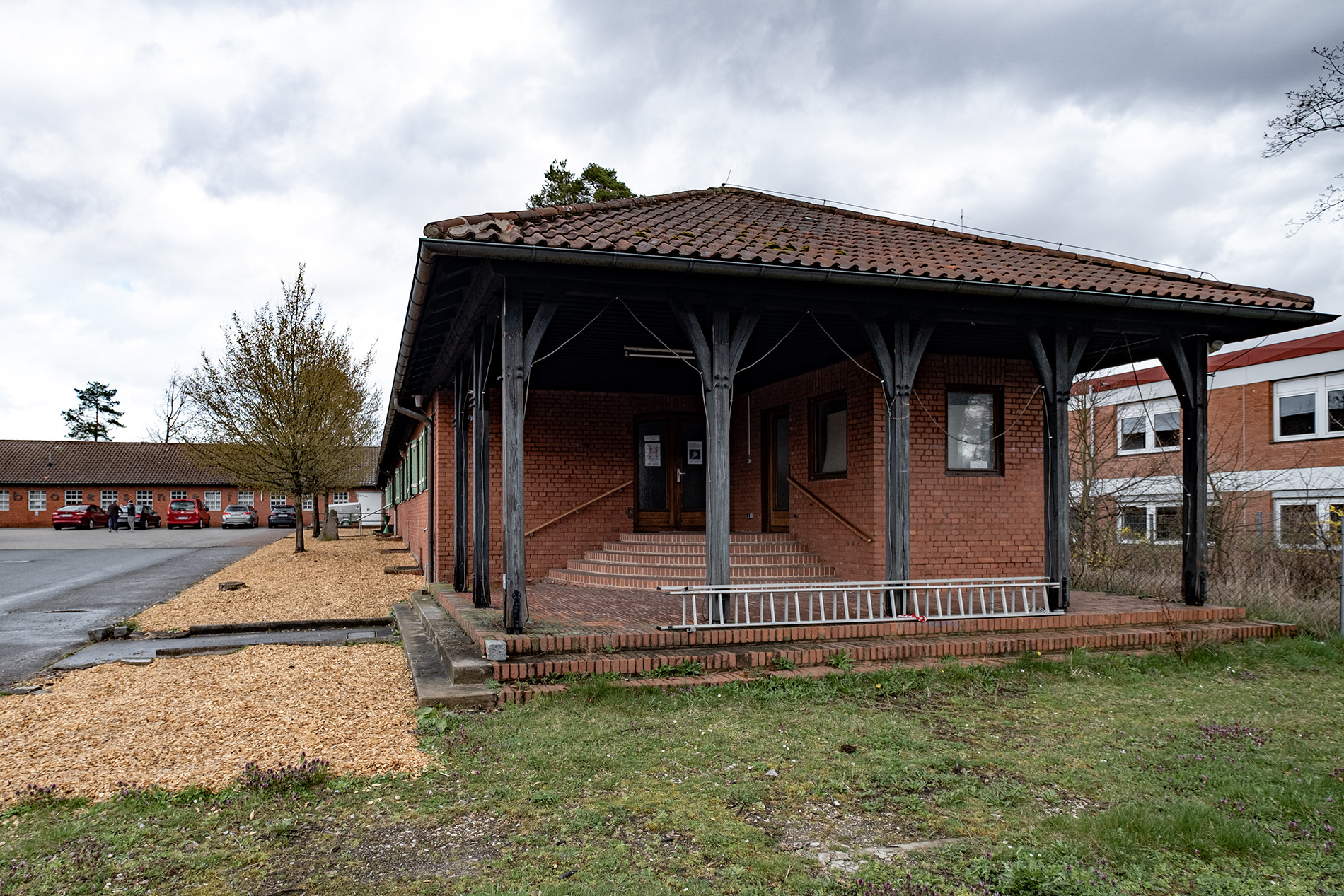
In the post-war period, the municipality of Fischbach received part of the former SS camp for the Nazi Party Rallies for an industrial development. The guest barracks of the SS camp, which were ultimately never used as such, also underwent another conversion during this time: in January 1952, the company Peterreins, Schalterbau, requested authorisation for the extensions and conversions required for its business. While this reference later disappears both from official correspondence and from the public consciousness, in the 1950s, for example, there is still open talk of the conversion of the former SS Fischbach warehouse. Despite several conversions, the exterior of the barracks still corresponds to the construction drawings from 1939 and is now used as a storage facility by an art supply store.
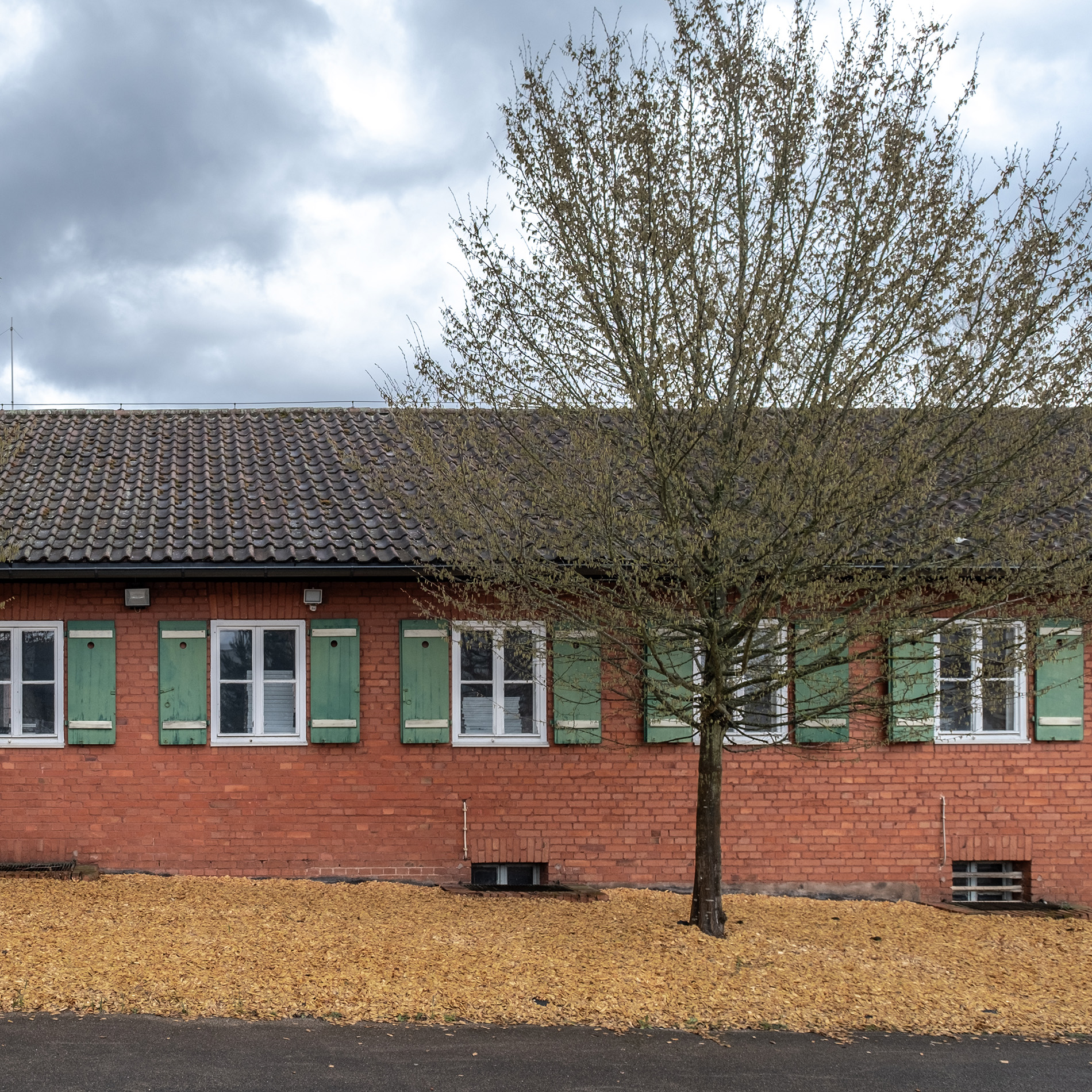
(c) Photography: Stefan Applis
(c) Text: Stefan Applis
 Stefan Applis | Photography | Spaces, Places & Practices