Urban narratives from a „post-migrant“ perspective on arriving and staying in Germany
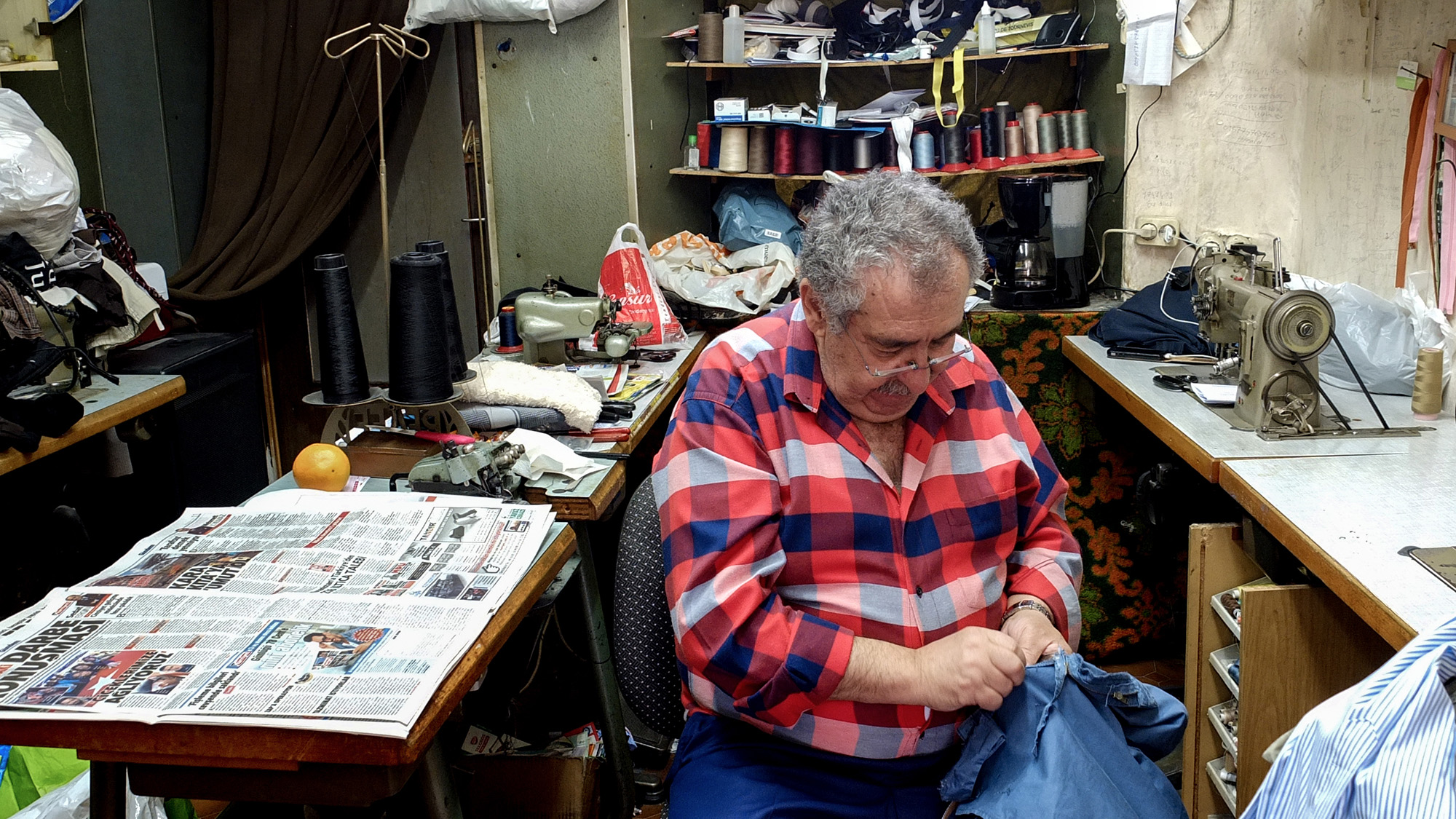
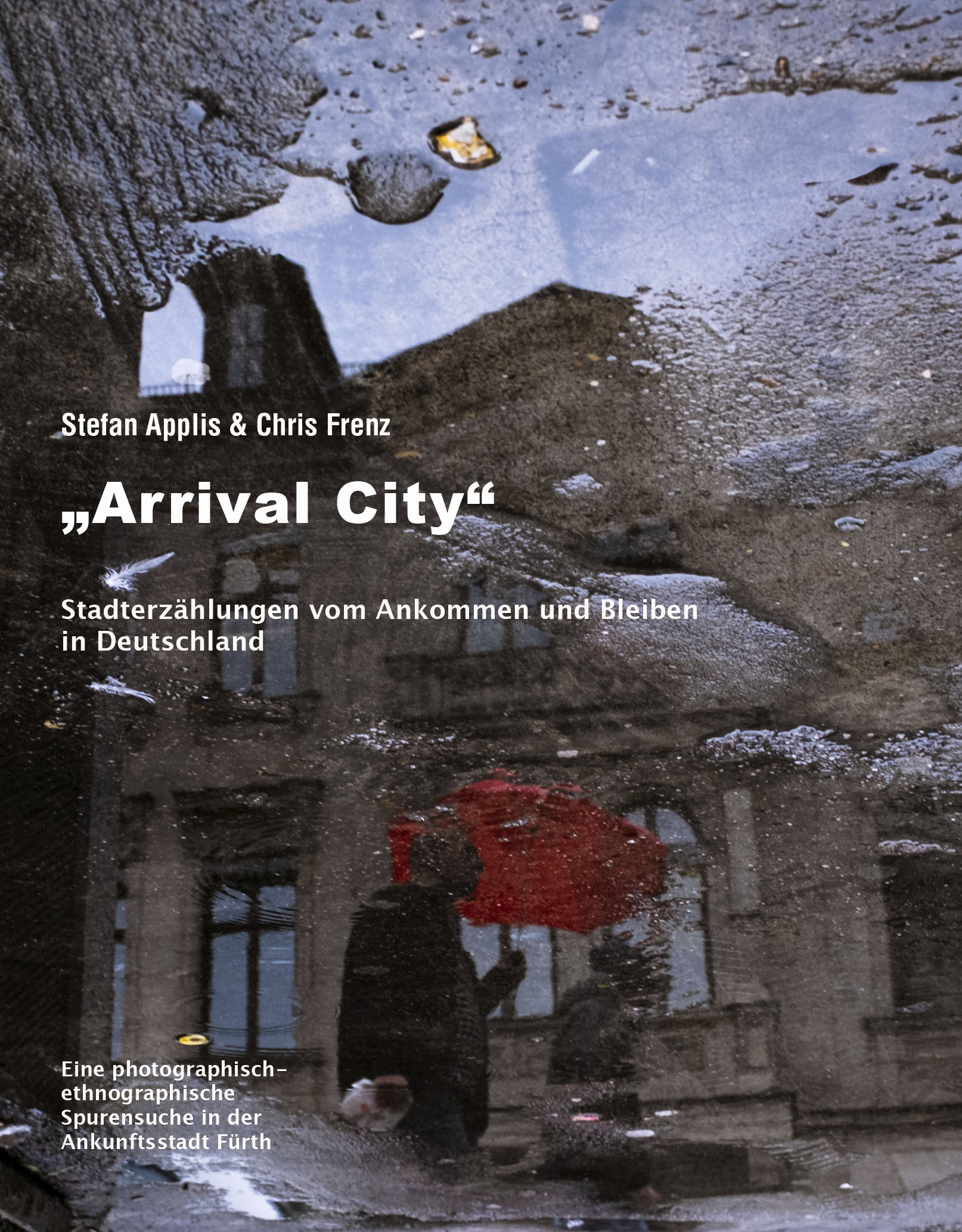
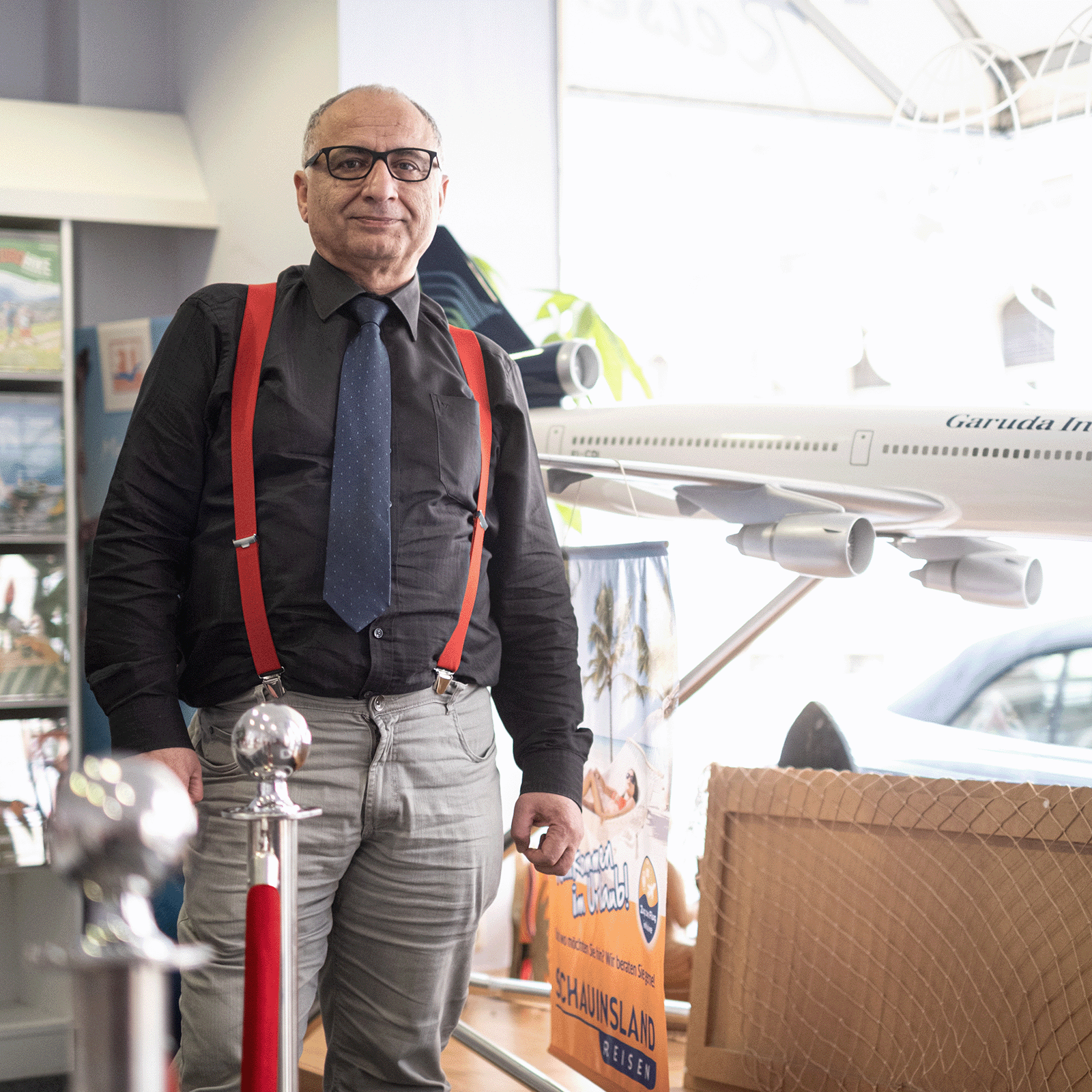
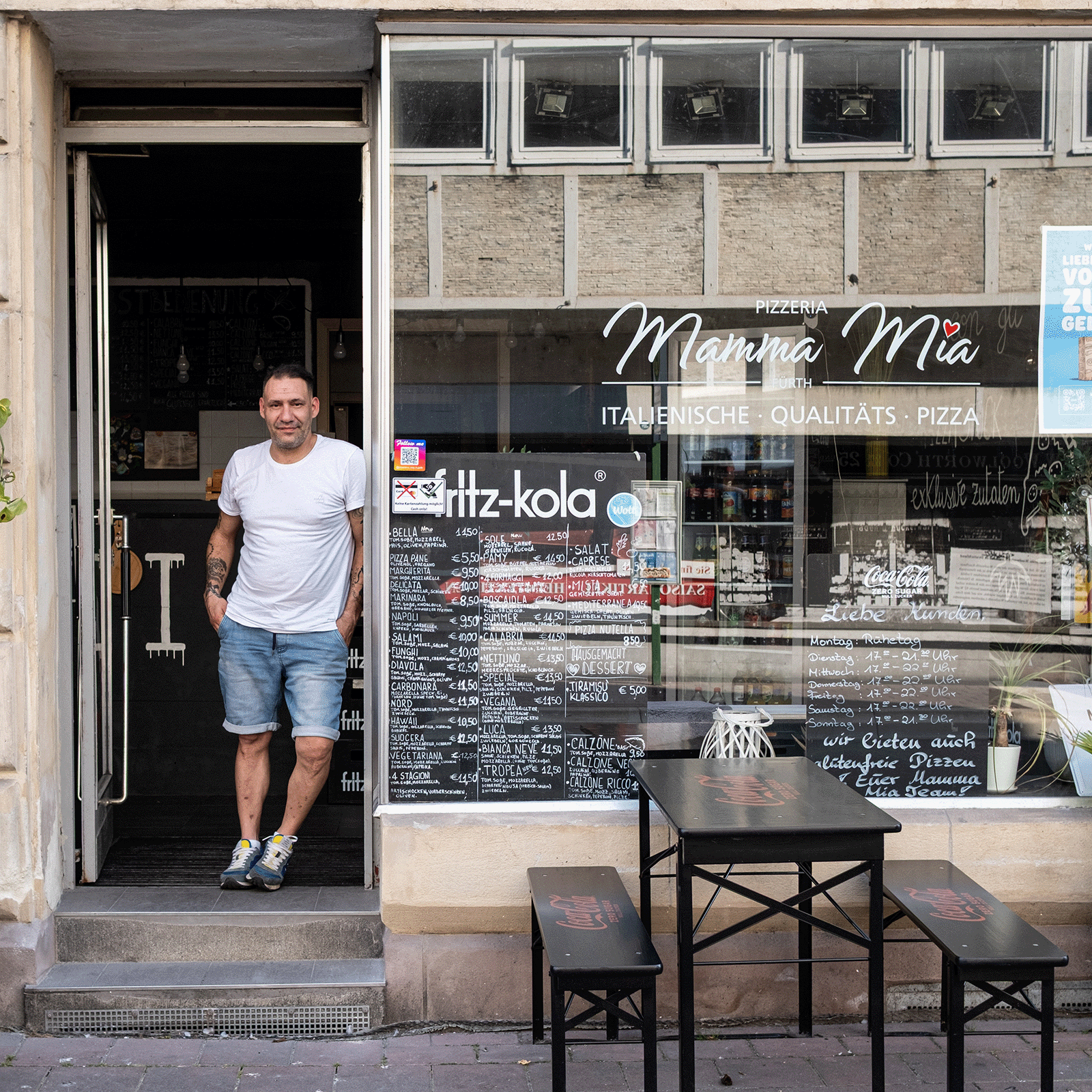
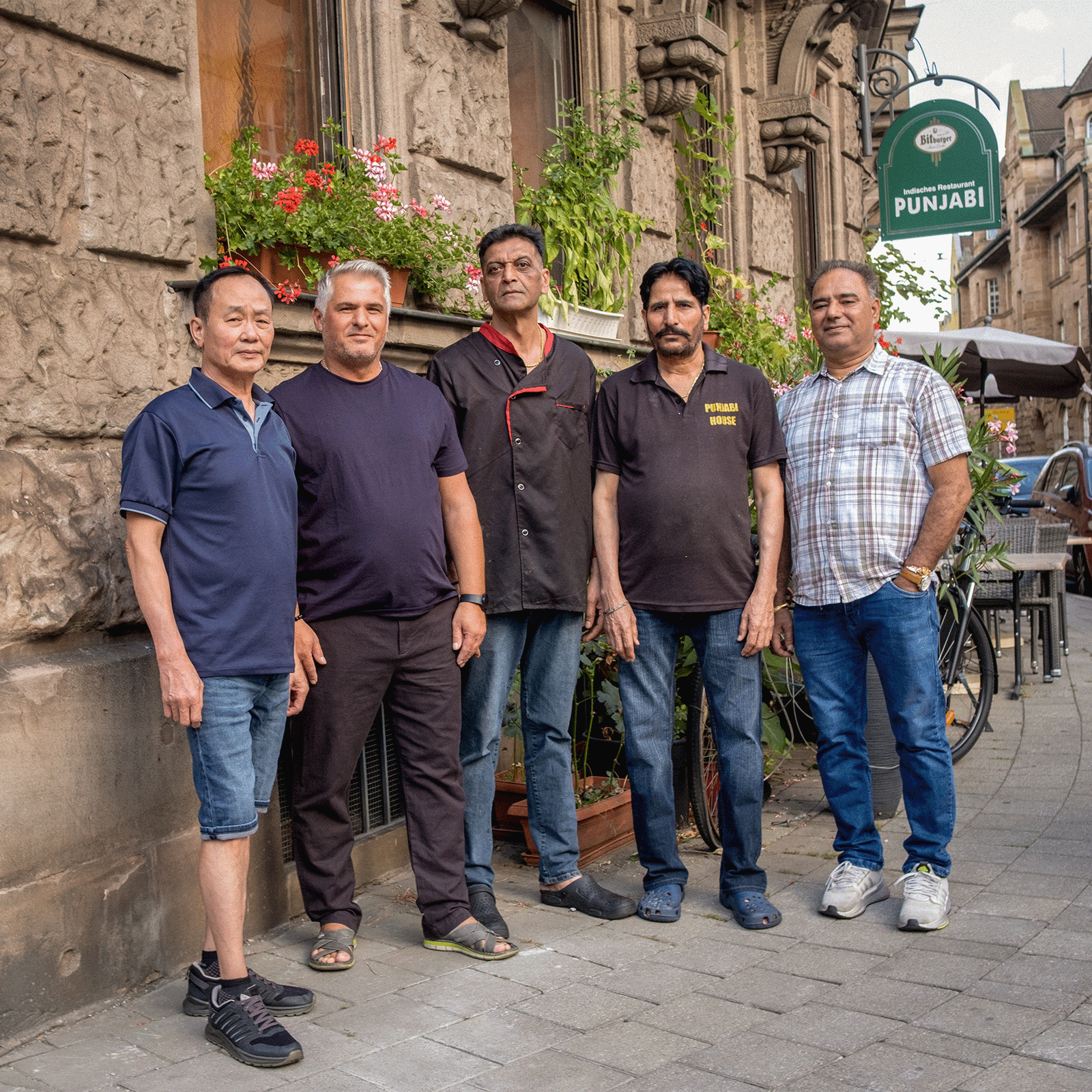
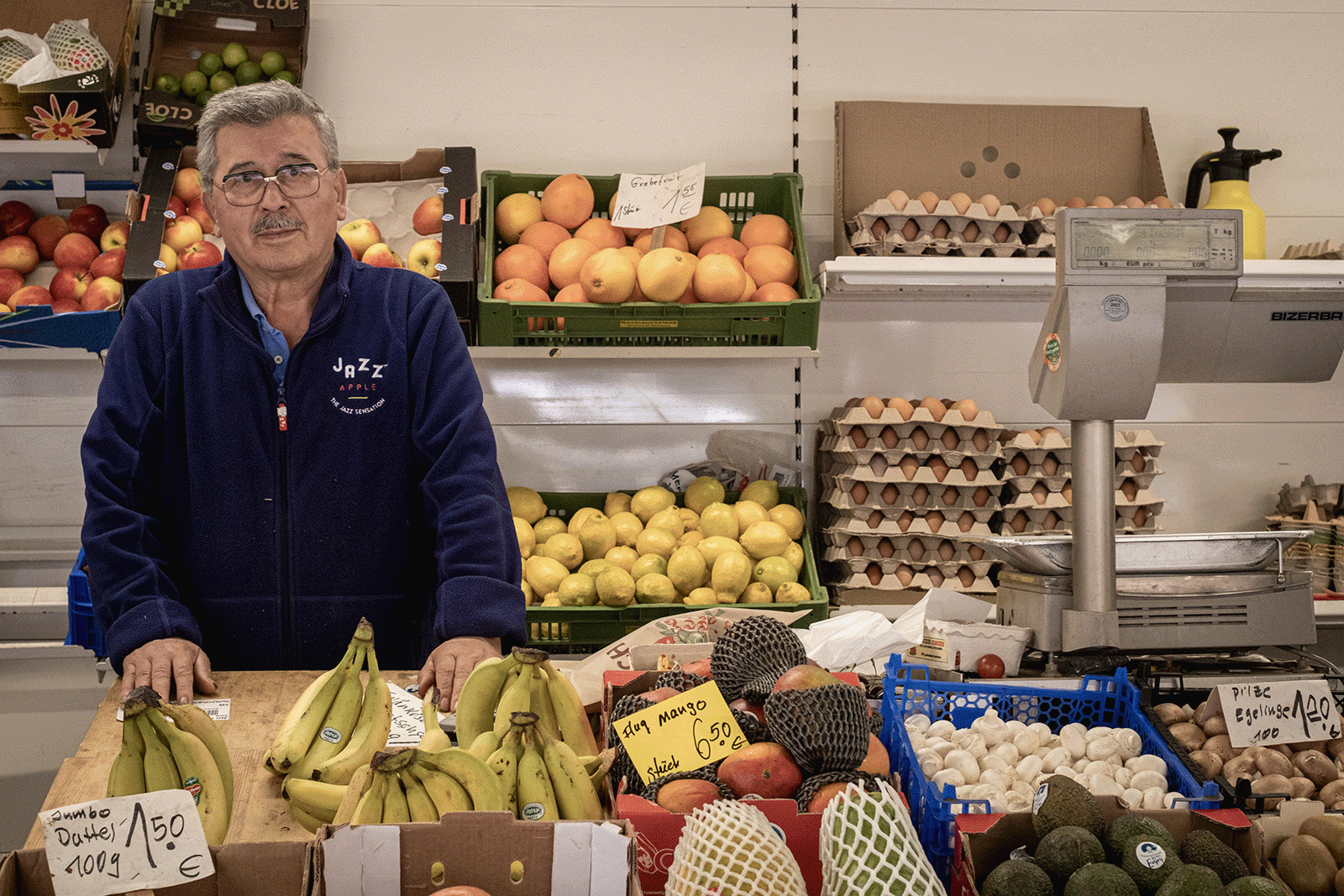
Das Konzept der „Ankunftsstadt“ des kanadisch-britischen Journalisten Doug Saunders wird seit längerem breit rezipiert. 2015 sprach Saunders in Frankfurt a. Main über die Stadt als deutsche „Arrival Region“; 2016 werden Oldenburg und Dresden Teil eines EU-Städtenetzwerkes „Arrival Cities“, in dem es u. a. darum geht für die Integration von Zugewanderten, insbesondere von Geflüchteten, Konzepte zu entwickeln. Dem Förderprogramm „Stadtentwicklung und Integration“ der Nationalen Stadtentwicklungspolitik (2016-2019) folgten weitere Städte in Deutschland, zuletzt der Duisburger Stadtteil Marxloh 2021 City (Stadt Duisburg 2025). Vor allem aber gestalten die Ankommenden die Arrival City selbst, indem sie sich den sozialen und urbanen Raum aneignen. Entgegen ihrem oft negativen Image seien Ankunftsstädte mit Saunders als dynamische Orte einer Stadt zu verstehen, da sich dort durch soziale, ökonomische und politische Netzwerke sowie durch Eigeninitiative Innovation und Emanzipation vollziehen. Saunders entwickelte er aus seinen Beobachtungen Kriterien, die Städte zu Ankunftsstädten machen, unter anderem die Verfügbarkeit von günstigen Ladenflächen, das Bestehen von informellen transnationalen Netzwerken, der niedrigschwellige Zugang zum Arbeitsmarkt oder die Verfügbarkeit von bezahlbarem Wohnraum. Die Stadt Fürth – insbesondere Alt- und Innenstadt, die Untersuchungsräume der von 2024-2025 durchgeführten Studie, erfüllt diese Kriterien in vielerlei Hinsicht. Hierbei wurden die folgenden Forschungsfragen in den Blick genommen: Wie gestalten und gestalteten Ankommende urbane Räume im Wohnen und Arbeiten? Welche Rolle spielten und spielen hierbei transnationale informelle und lokale formelle Netzwerke? Welche Spannungsfelder entfalteten und entfalten sich zwischen vielfältigen Prozessen informeller und formeller Segregation sowie den Bemühungen Segregation zu begrenzen im urbanen Raum?
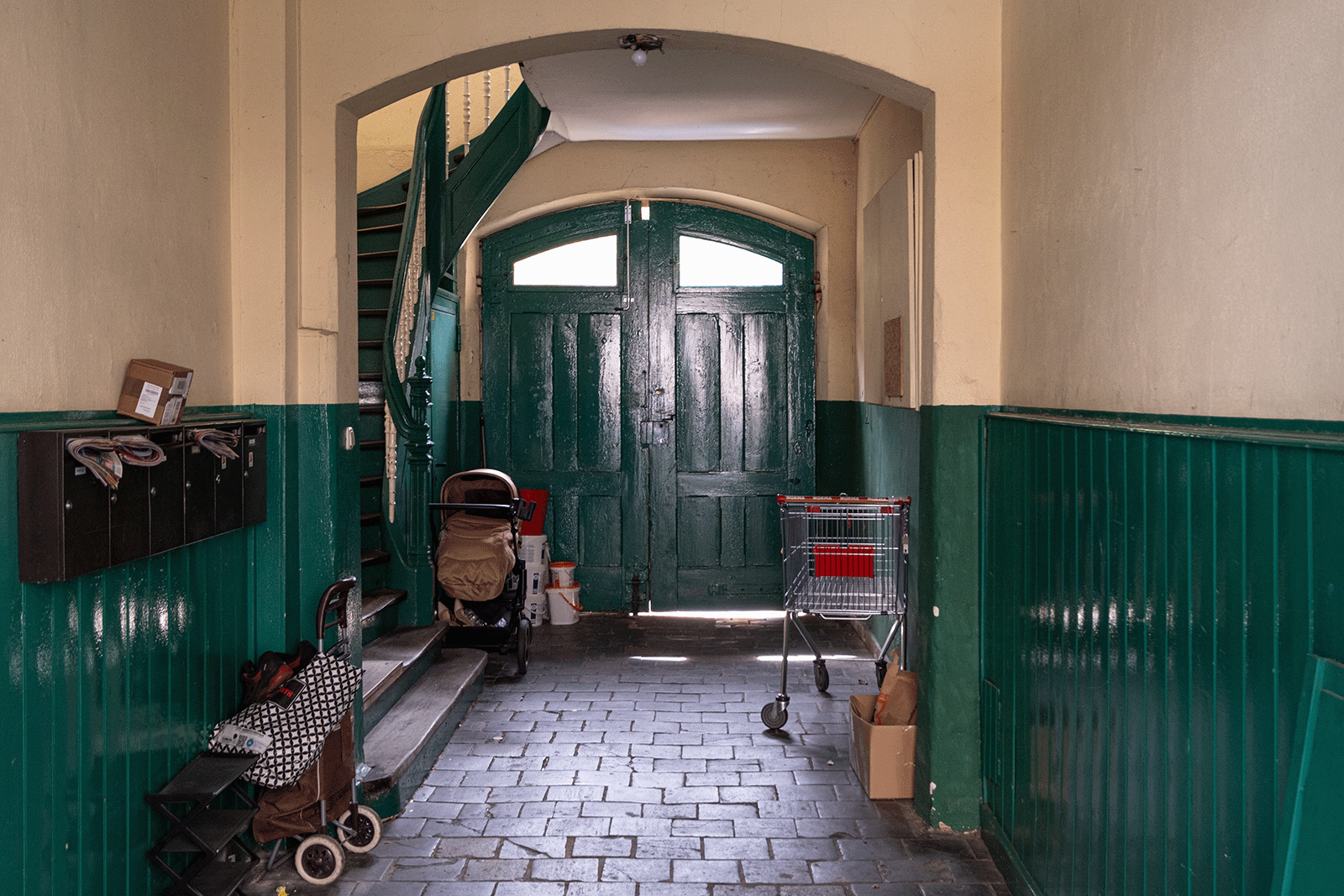
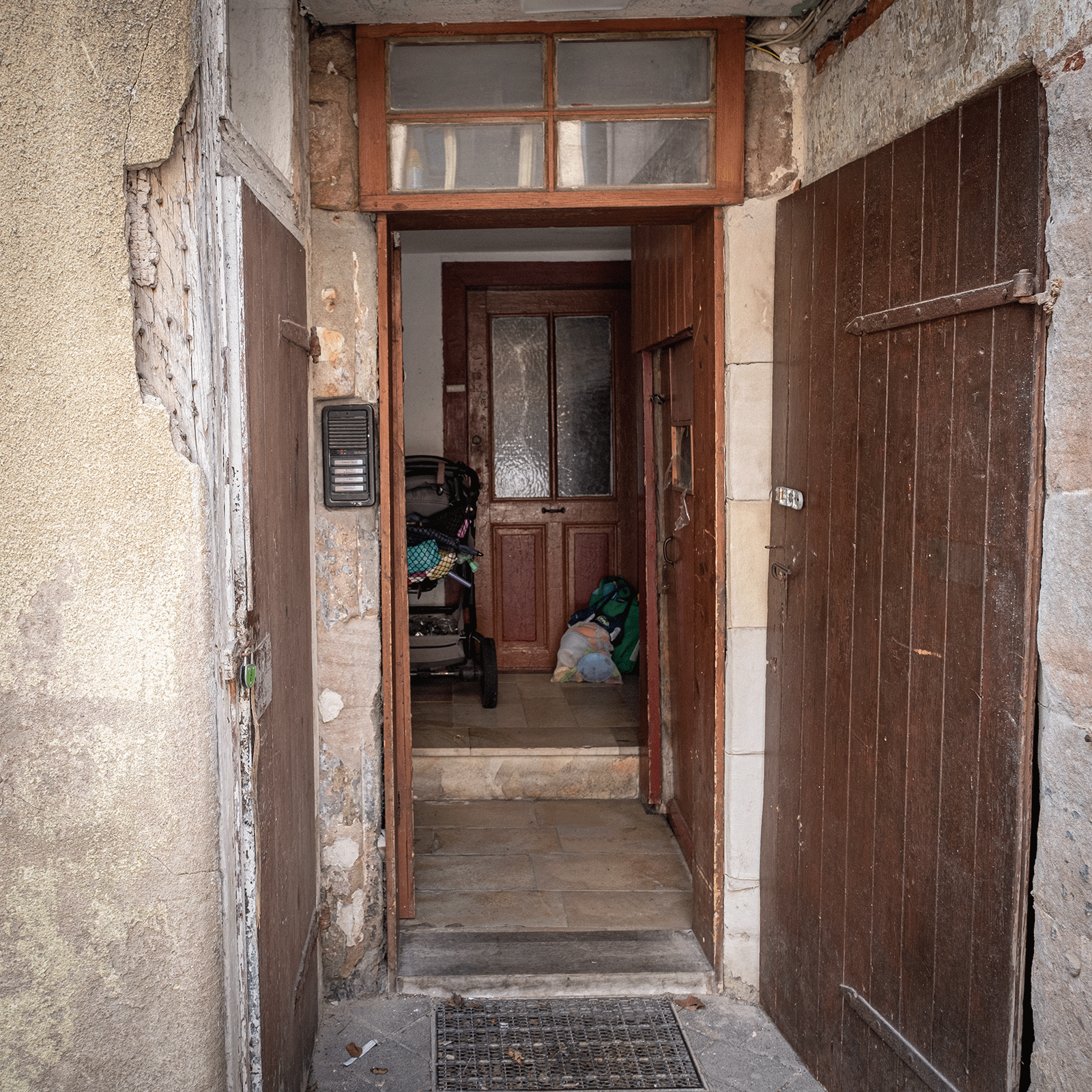

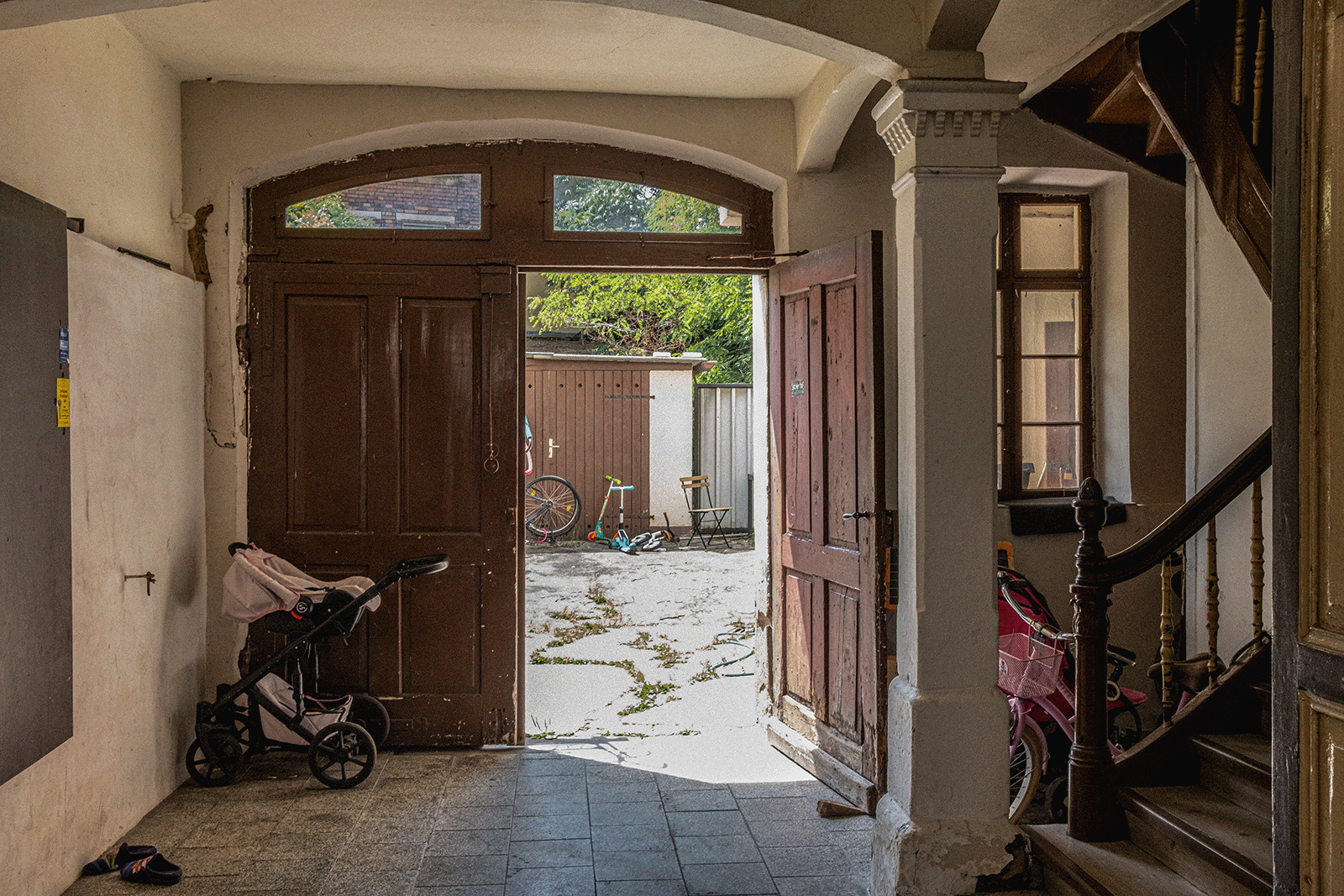


The ‘arrival city’ concept developed by Canadian-British journalist Doug Saunders has been widely accepted for some time now. In 2015, Saunders spoke in Frankfurt am Main about the city as a German ‘arrival region’; in 2016, Oldenburg and Dresden became part of an EU city network called ‘Arrival Cities’, which focuses on developing concepts for the integration of immigrants, especially refugees. The ‘Urban Development and Integration’ funding programme of the National Urban Development Policy (2016-2019) was followed by other cities in Germany, most recently the Duisburg district of Marxloh 2021 City (City of Duisburg 2025). Above all, however, it is the people who arrive who shape the Arrival City itself by taking ownership of the social and urban space. Contrary to their often negative image, Saunders argues that arrival cities should be understood as dynamic places within a city, as social, economic and political networks and personal initiative lead to innovation and emancipation. Based on his observations, Saunders developed criteria that make cities arrival cities, including the availability of affordable retail space, the existence of informal transnational networks, low-threshold access to the labour market and the availability of affordable housing. The city of Fürth – in particular the old town and city centre, the areas studied in the 2024-2025 study – meets these criteria in many respects. The following research questions were examined: How do and did newcomers shape urban spaces in terms of living and working? What role did and do transnational informal and local formal networks play in this? What areas of tension developed and continue to develop between diverse processes of informal and formal segregation and efforts to limit segregation in urban spaces?
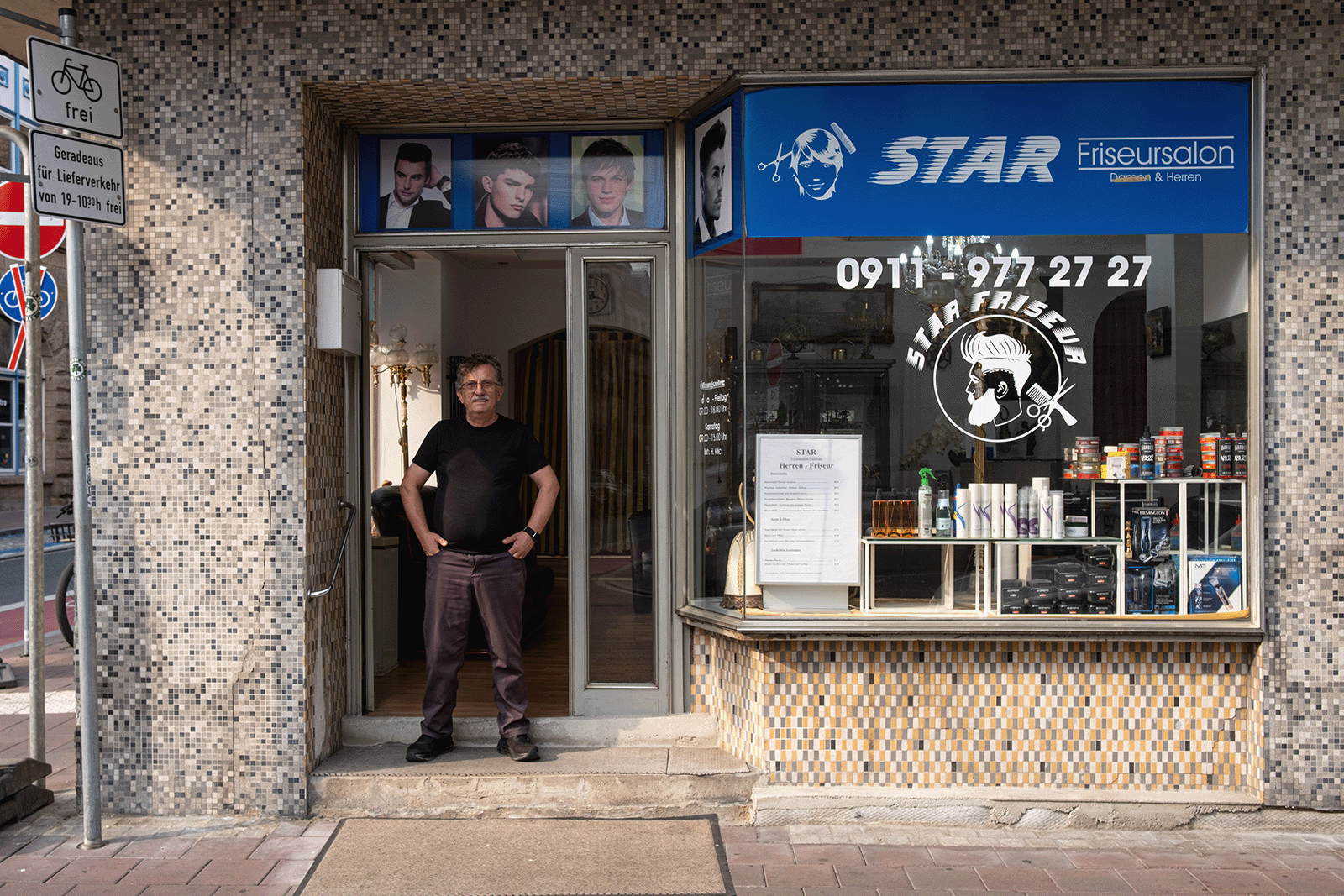

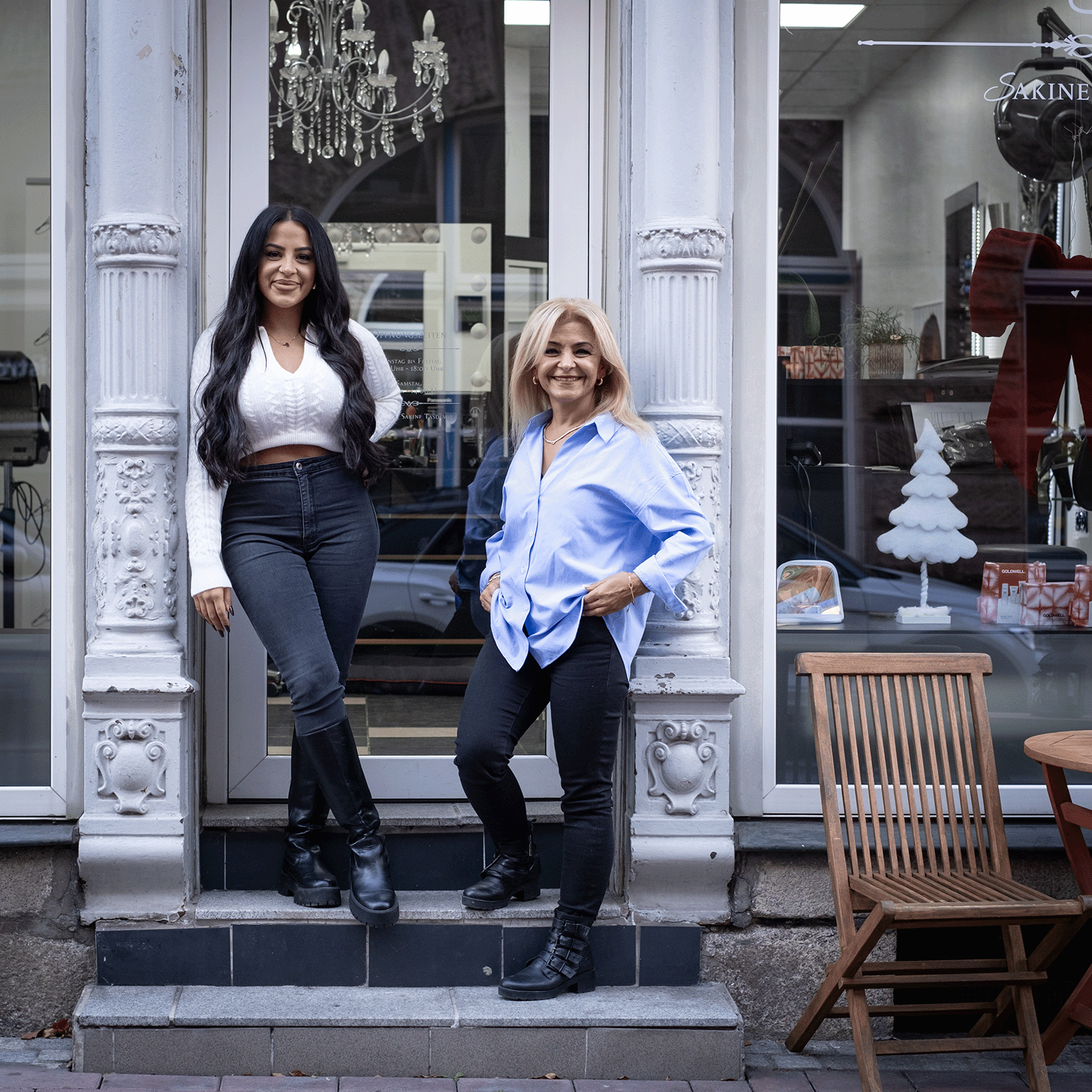
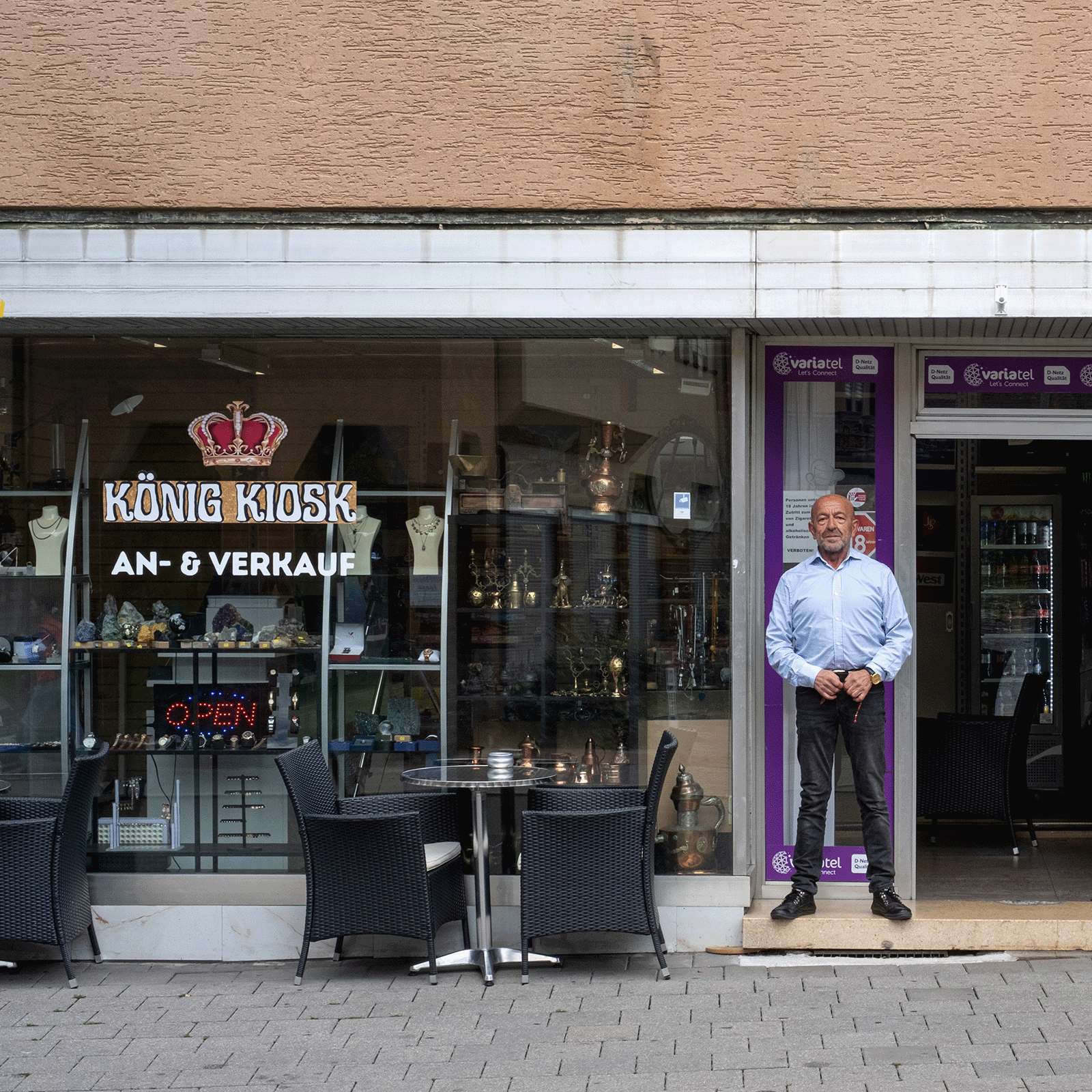

 Stefan Applis | Photography | Spaces, Places & Practices